
"other species"
10000 article(s) found

Introduction of Robusta fruit species
Follow Cafe (Wechat official account vdailycom) found that Beautiful Cafe opened its own small shop, Robusta Coffee, also known as Big Leaf Coffee, native to the African Congo, disease-resistant, insect-resistant, low-temperature tolerance, easy to grow lowland coffee, taste bitter but not sour, suitable for making mixed coffee, accounting for 30% of the world's output has been widely cultivated in recent years. Actually, Rob,

Introduction to Arabica Coffee beans and their varieties which species does Catimor belong to?
Professional coffee knowledge exchange more coffee bean information please follow the coffee workshop (Wechat official account cafe_style) is currently the three largest coffee varieties on the market, many of the most commercially valuable boutique coffee beans are Arabica species in the repeated breeding and variety improvement extended many varieties designed to improve disease resistance, yield, environmental adaptability, but if the use of native species
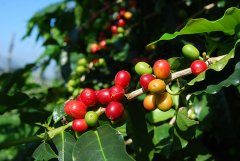
The three original species of coffee encyclopedia.
Everyone should have heard of Elaraby as a kind of coffee. The best quality beans of the famous Colombian coffee are all Elaraby varieties. When it comes to the variety of coffee, we must first understand the type of coffee tree. At present, the most important coffee beans in the world are mainly from Arabica, Robata and Liberia. these three varieties of coffee beans are the three original species of coffee trees.

One of the varieties of Arabica coffee is iron card coffee, which inherits its flavor gene.
Professional coffee knowledge exchange more coffee bean information please follow the front street of coffee workshop (Wechat official account cafe_style)-Arabica coffee and pickup coffee are common shrubs of Rubiaceae coffee. There are about 40 species of plants under the coffee tree branch, of which there are only three kinds of coffee with commercial value-- Coffea Arabica and Arabica.

Arabica coffee bean price producing area species flavor description taste characteristics
Arabica coffee bean price producing area species flavor description taste characteristics 1. Suitable climate: in the area between Tropic of Cancer and Tropic of Cancer, the climate is hot and humid or hot but not dry, sufficient Rain Water, the temperature is between 15 and 25 degrees Celsius; 2. The soil is thick, hard, permeable, well irrigated and well drained. The best land is in the mountains, especially on the hillside, preferably

Understand the type of coffee by the definition of tree species and market
We know that there are so many kinds of coffee in the world, so it is a headache to know them one by one. In fact, there are some screening criteria that make it easier for us to understand the types of coffee. First of all, we can narrow the cognitive scope from the species of coffee trees. Contemporary botanists have discovered more than a hundred species of coffee, but only one of them is Coffea Arabica.

The three primary species of Ethiopian coffee
About 65% of coffee circulating in the world market is Arabica: according to ICO (International Coffee Organization) statistics, excluding the domestic transactions of coffee producing countries, about 65% of coffee circulating in the world market is Arabica and 35% is Robusta. Arabica is characterized by elongated and flattened particles, and Robusta coffee beans are rounded. But if you add a

Introduction of Coffee Encyclopedia Coffee
The kind of coffee [preface]: when tasting individual coffee, you will see some information about the variety in addition to the producing country, producing area, geographical and climatic conditions. Such as Arabica, Robusta, Bourbon and so on. As far as the flavor of coffee is concerned, the difference in producing areas certainly has a greater impact on the flavor of coffee. When it comes to different varieties of beans produced in the same place, the differences between varieties change.

Introduction to the original species of Ethiopian Coffee Bean Variety Heirloom
Professional coffee knowledge exchange more coffee bean information please follow the coffee workshop (Wechat official account cafe_style) people who often drink Ethiopian coffee should have heard of the [Heirloom native species], most Ethiopian varieties will be named after this, in fact, because Ethiopia has so many varieties, it is like the natural gene bank of Arabica, on the one hand,
Boutique coffee (specialty coffee) II
With regard to the cultivation of crops, seed selection is a very important factor. Every year, agronomists are studying higher quality and higher yield varieties of wheat, soybeans, and corn, as well as how to make apples more delicious, beautiful and resistant to diseases and insect pests. In fact, the same is true of coffee. The quality and taste of coffee are determined by the quality of the varieties. Coffee trees are generally divided into three categories in the industry: Arabica species
The three native species of coffee
The three main native species of coffee are coffee varieties: Arabica Arabica, Robusta Robusta, and Liberia Liberica. The first two are relatively long-term, while the latter is hardly in circulation on the market and is only traded within parts of West African countries. Arabica is mainly produced in Brazil, Colombia, Guatemala, Jamaica, Mexico and other American countries, the Caribbean Sea.

Yemeni Yishi Mary is a producing area or a coffee tree species Yishima Coffee introduction
For professional baristas, please follow the coffee workshop (Wechat official account cafe_style) Yemen Yishi Mary actually sees that Yemen is located on the Arabian Peninsula of the Asian continent, but it is very close to Africa as long as it crosses the Red Sea and the Gulf of Aden Gulf of Aden, but other Arab countries do not produce coffee, so people classify Yemeni coffee as the North African coffee family.
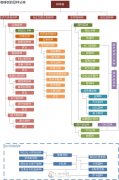
Classification and selection of coffee trees
Arabica Coffee and Variety improvement. What do the so-called families, genera and species of Arabica species mean in biological classification? In terms of biological classification, it is divided into boundary, phylum, class, order, family, genus and species from top to bottom, and the lower part of the species is subdivided into subspecies, varieties and varieties. Arabica coffee is generally thought to originate from the Ethiopian plateau and is widely divided.

What's the difference between Arabica and Robusta coffee beans? The evolution species of Arabica coffee beans are
Professional coffee knowledge exchange more information about coffee beans Please follow the coffee workshop (Wechat official account cafe_style) what's the difference between Arabica and Robusta coffee beans? What kinds of Arabica coffee beans do you have? If the variety of coffee is divided by biology, it can be divided into Arabica, Robusta and Liberica.

Characteristics of Yunnan small seed Coffee also known as Arabian species
[scientific name] the small seed is Coffea arabica L., the medium seed is Coffea canephora, and the large seed is Coffea liberica family: Rubiaceae Coffee is also called Arabian species, medium grain species is also called Gaffra species, and large grain species are also called Liberian species, there are two common species: Arabica and Robusta. Coffee is rich in protein and fat.
Boutique coffee specialty coffee (2) Coffee bean varieties
With regard to the cultivation of crops, seed selection is a very important factor. Every year, agronomists are studying higher quality and higher yield varieties of wheat, soybeans, and corn, as well as how to make apples more delicious, beautiful and resistant to diseases and insect pests. In fact, the same is true of coffee. The quality and taste of coffee are determined by the quality of the varieties. Coffee trees are generally divided into three categories in the industry: Arabica species

Flavor description of Brazilian Bourbon Coffee introduction to the Grinding scale of Variety producing areas
Bourbon species, native to the Indian Ocean (now known as Reunion Island), is the second species caused by the mutation of Typica. It belongs to the oldest coffee variety in existence. The green fruit will show bright red when it is ripe, while the yellow bourbon species is derived from the hybridization of bourbon species with other varieties. Because of its

Some common nouns explain the basics of coffee.
[foreword]: when tasting individual coffee, you will see some information about the varieties in addition to the producing country, producing area, geographical and climatic conditions. Such as Arabica, Robusta, Bourbon and so on. As far as the flavor of coffee is concerned, the difference in producing areas certainly has a greater impact on the flavor of coffee. When it comes to different varieties of beans produced in the same place, the differences between varieties become intentional.
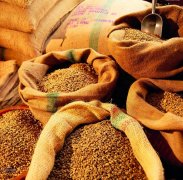
Knowledge about coffee botany
According to the botanical description of coffee: coffee is Rubiaceae, coffee genus, perennial evergreen shrubs or small trees. There are more than 60 types of coffee classified, but there are roughly two varieties of coffee grown commercially on a large scale, one is Arabica, accounting for about 70 percent of the world's coffee planting area, and the other is Robasta, accounting for about 30 percent of the world's coffee planting area. According to our country